


Charki – Handblock Print on Soft Cotton Saree
Original price was: ₹2,000.00.₹1,490.00Current price is: ₹1,490.00.

Diya – Indigo Hand Block Print Cotton Saree
Original price was: ₹2,000.00.₹1,490.00Current price is: ₹1,490.00.

Fuljhari – Hand Block Print on Soft Cotton Saree
Original price was: ₹2,000.00.₹1,490.00Current price is: ₹1,490.00.

Patakha – Hand Block Print on Soft Cotton Saree
Original price was: ₹2,000.00.₹1,490.00Current price is: ₹1,490.00.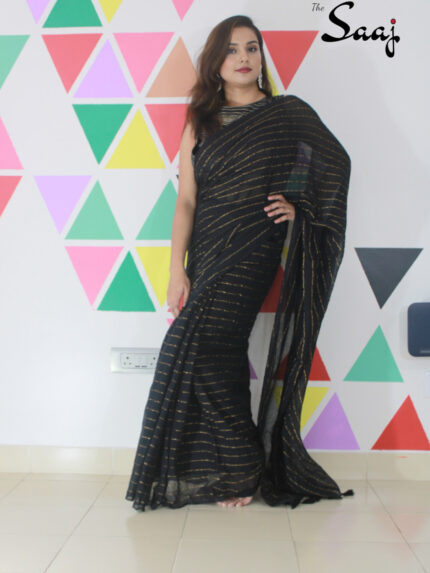
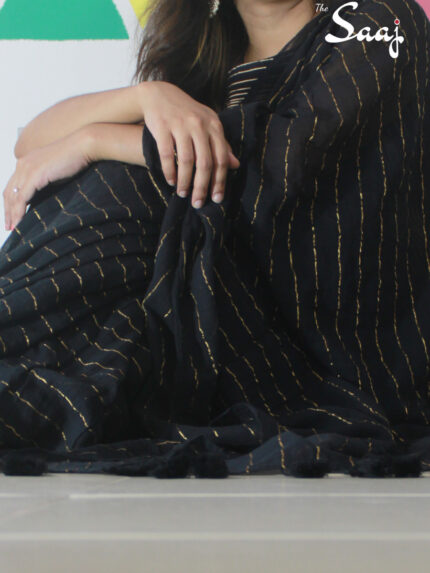
Raat Ki Roshni – Soft Mul cotton Saree
Original price was: ₹1,790.00.₹1,490.00Current price is: ₹1,490.00.

Shama – Indigo Hand Block Print on Soft Cotton Saree
Original price was: ₹2,000.00.₹1,490.00Current price is: ₹1,490.00.
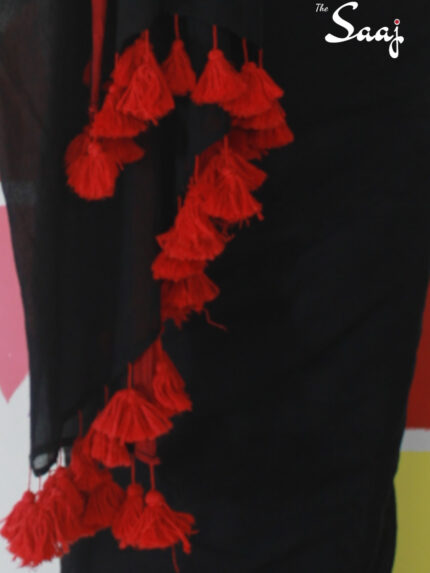
The Burning Coal – Black and Red Plain Mul Cotton Saree
Original price was: ₹1,490.00.₹999.00Current price is: ₹999.00.Cotton sarees, crafted from a natural textile celebrated for its exceptional texture, have captivated fashion enthusiasts for years. Pure cotton sarees strike the perfect balance between style and durability.
Let’s explore why cotton sarees are an essential addition to your wardrobe.Nature's Luxury:
Cotton is obtained from cotton plants, predominantly found in countries like China, India, the USA, Brazil, and Turkey. According to records, India ranks as the second-largest producer of cotton globally, following China. Being a naturally sourced crop, cotton is an inherently sustainable choice.
Timeless Elegance:
Cotton sarees embody a timeless elegance that transcends fashion trends. Available in a wide range of colours, they effortlessly complement various skin tones and suit any occasion. Whether for a special event or daily office wear, a cotton saree adds a touch of sophistication to your overall look.
Durability and Comfort:
The exceptional quality of cotton thread ensures a highly durable weave. Its strong and resilient fibres resist wear and tear, while the fabric's breathability and lightweight nature make it comfortable to wear in hot and humid weather conditions.
Sustainable:
Wearing cotton sarees goes beyond fashion—it reflects a dedication to ethical and sustainable practices. The process of creating threads from cotton begins with separating the fibres from the seeds through a method called 'ginning.' The fibres are then cleaned, aligned, and twisted using a spinning wheel or machine to produce yarn. By choosing cotton sarees, you not only preserve traditional weaving techniques but also support local communities and their livelihoods.
Budget-friendly:
India, as the world's second-largest producer of cotton, offers cotton sarees at very reasonable prices, making them an excellent choice for daily wear.
Types of Cotton Sarees from different states of India
India produces 23% of global cotton production and is the second largest producer of cotton in the world. Among all the states Maharashtra is the leading producer of cotton followed by Gujrat, Telangana, Andhra Pradesh, Karnataka, West Bengal etc. The number of types of cotton sarees from different states of India signifies the rich and diverse culture of Indians and the finesse this artistry holds. History, culture, mythology, religious belief etc. are depicted through the art, designs and weaving patterns of each saree. Here we will try to give a detailed overview of all types of cotton sarees from different parts of India.
West Bengal:
Being situated in the hot and humid climate of eastern India and attached with Bay of Bengal, soft and breathable cotton sarees have always been the first choice of women in Bengal. The word “Tant” means “loom” in Bengali. Tant saree, the most ancient and popular saree of Bengal, is mentioned in history as well. Tant is woven from pure cotton yarn and comes in different designs and patterns to look more attractive. The best variety of Tant weaving is the traditional weaving of Jamdani which has been enlisted by UNESCO as an Intangible Cultural Heritage of Humanity. Jamdani is available in different price range according to quality such as cotton jamdani, Resham jamdani etc but Muslin jamdani is the finest and costliest among all of them.
Other than Jamdani, Begampuri sarees, Dhaniakhali sarees, Garad, linen are also woven using “tant” and each of them has their own significance. Garad sarees are woven in plain white or off-white cotton body and rich silk border in red. Traditionally Garad is worn at auspicious events like marriage ceremony, puja etc. As it comes from pure natural fiber and no animal or insect is harmed to make it, it’s considered the purest piece of cloth. Nowadays Garad comes in different dark color borders like maroon, brown etc. Dhaniakhali sarees are woven by the artisans of dhaniakhali in Hoogly district of West Bengal. Traditionally these sarees were woven in natural grey body with plain black or red border and ‘khejur chori’ design on pallu. Begampuri sarees are inspired by Dhaniakhali gharana hence we can find ‘chiur’ design along with the ‘khejur chori’ design on its broad border and pallu. All these designs are completely handwoven by weavers using wooden pattayas. Thus, every small village of Bengal has contributed to sustain and carry forward this age-old tradition of saree.
Odisha:
The Sambalpur district of Odisha is famous for its Sambalpuri Cotton sarees which received Geographical Indication (GI) Tag for its authenticity and cultural significance. The hallmark of Sambalpuri sarees is the unique "Ikat" or "Baandha" weaving technique. This tie-dye method involves the pre-dyeing of the threads before the weaving process begins, resulting in intricate patterns and motifs that appear seamlessly on both sides of the fabric. Sambalpuri sarees are predominantly made from high-quality cotton, making them comfortable and suitable for the tropical climate of Odisha. The cotton used is known for its durability and breathability, offering a soft texture that drapes gracefully. The sarees are celebrated for their vibrant colours and intricate designs. Common motifs include Floral Patterns, Conch Shells and Wheels, Geometric Patterns and Temple Borders. Sambalpuri sarees are more than just a garment; they represent the identity and craftsmanship of Odisha's weaving community, known as "Bhulia" or "Bhulia Meher," famous for their intricate craftsmanship. These sarees are often worn during festivals, weddings, and cultural events. To match the taste of modern people, traditional Sambalpuri sarees are woven in silk blends, bright colour palettes, and newer patterns while retaining the essence of the Ikat technique. These adaptations have helped the Sambalpuri saree maintain its relevance in the global fashion scene. Precisely, the Sambalpuri cotton saree is a testament to the enduring legacy of Odisha's handloom industry. Its intricate craftsmanship, cultural resonance, and aesthetic appeal have made it a cherished part of India's textile heritage.
Madhya Pradesh:
Madhya Pradesh has an age-old tradition of handloom weaving, deeply rooted in its cultural history. The traditional art of weaving cotton sarees in this region was influenced by the Mughals. These sarees are not just garment but cultural identity of the locals. Nowadays, weavers are incorporating silk threads or silver and golden zari to enhance the look of the soft and breathable pure cotton sarees. Basically three types of cotton sarees are produced in Madhya Pradesh, namely Chanderi Cotton sarees, Maheswari sarees and Bagh Print.
Chanderi cotton: A small district, named Chander is famous for the Chanderi cotton sarees. These beautiful soft and sheer cotton sarees are acclaimed for its unique texture and weaving patterns. The rich and beautiful patterns include florals, peacocks and geometrical designs, often woven in gold or siver Zari. These sarees are perfect for wedding or any occasion.
Maheshwari Sarees: Maheshwari sarees are typically made using cotton in the warp and silk in the weft. This combination gives the saree a unique luster and durability.These sarees are characterized by their reversible border, known as "bugdi." They often feature motifs like stripes, checks, and floral patterns.
Bagh Print Sarees: Although not a weave, Bagh prints are famous hand-block printed cotton sarees. They involve intricate floral and geometric designs. These prints are made using natural dyes, with red and black being the dominant colours. The cotton sarees of Madhya Pradesh, with their exquisite craftsmanship and rich cultural history, continue to be cherished not only for their aesthetic appeal but also for their comfort and durability. These sarees are a testament to the region's skilled artisans and their dedication to preserve an ancient art form.
Gujarat:
Gujarat has been a hub for textile production since ancient times, with its cotton sarees being particularly famous. Cotton sarees from Gujarat are deeply intertwined with the state’s festivals, rituals, and daily wear. They are symbolic of the region’s cultural identity and craftsmanship. These sarees are renowned for their intricate designs, natural dyes, and traditional weaving techniques.
Weaving patterns and styles: Bandhej sarees: Bandhej sarees, also known as Bandhani sarees, are a traditional form of tie-and-dye textile art predominantly from Gujarat and Rajasthan. The art of Bandhani is believed to be over 5,000 years old,with references found in ancient texts and sculptures. The patterns and colours of Bandhej sarees often carry symbolic meanings, representing prosperity, fertility, and good luck. These sarees are created using a meticulous tie-and-dye process. Small portions of the fabric are tied with threads into tiny knots, creating intricate patterns when dyed. Traditional patterns include dots (bindi), waves (leheriya), and checks (chokadi), symbolising natural objects like flowers, leaves and celestial symbols. Bandhej is also known for its rich and vibrant colour palettes including red, yellow, green, blue and black which create striking contrast after dyeing and make the sarees look more attractive.
Ajrakh sarees: The craft of Ajrakh printing dates back several centuries, with its origins linked to the Khatri community of artisans in Gujarat and Sindh (now in Pakistan). Historically, Ajrakh was used to make turbans, shawls, and garments, eventually evolving into the production of sarees. The word "Ajrakh" is believed to be derived from the Arabic word "Azrak," meaning blue, which is a dominant color in these sarees. Traditionally Ajrakh sarees are dyed in indigo (blue), madder (red), black, and white. These colors are derived from natural sources like indigo plants, madder root, and iron fillings, ensuring that the colors are vibrant yet gentle on the skin. The striking contrast of dark and light colours make it more appealing. Ajrakh sarees are characterized by their symmetrical, hand-printed geometric patterns, generally inspired by natural objects like flower, stars and traditional Islamic geometric shapes. These sarees are typically made from high-quality cotton, known for its softness, durability, and breathability. Ajrakh sarees are a beautiful blend of tradition, art, and sustainable practices. Their intricate patterns, rich colors, and natural dyes make them a cherished piece of India's textile heritage. The cotton sarees of Gujarat are a testament to the state’s rich textile tradition and skilled craftsmanship. Whether it’s the vibrant tie-and-dye of Bandhani or the sophisticated block prints of Ajrakh, each saree tells a story of cultural heritage and artisanal excellence. These sarees are not only beautiful and comfortable but also a symbol of Gujarat’s enduring legacy in the world of textiles.
Kerala:
Kerala’s traditional kasavu sarees are celebrated for their elegance and simplicity, standing out in a country known for vibrant colours and intricate embellishments. Beneath their minimalistic appearance lies a rich cultural legacy, mainly worn by the Malayali community at temples, weddings, and funerals.
The term kasavu refers to the zari (silver thread plated with gold) used in the saree borders, not the saree itself. Kerala’s kasavu sarees originate from three major handloom clusters, each with a Geographical Indication (GI) tag. The **Balaramapuram** cluster near Trivandrum is known for pure zari and fine thread counts (up to 120s), created by the Shaliar clan brought to Kerala by the Travancore royal family. The **Chendamangalam** cluster, supported by the Paliam aristocracy, produces sarees and mundus with half-fine zari and simpler designs. The **Kuthampully** cluster, patronized by the Kochi royal family, adds jacquard borders and human figure motifs.
Traditionally, Kerala’s attire revolved around the mundu (sarong), with the two-piece *settu mundu* emerging post-colonization. A single-piece saree evolved later, along with the blouse. Depending on complexity, a kasavu saree takes 3–30 days to weave, with prices ranging from ₹3,000 to ₹1.5 lakh, reflecting its craftsmanship and material.
Styling Tips for Cotton Sarees
Blouse Choices: Pair with contrast blouses—opt for floral prints, sleeveless, or high-neck designs for a chic look.
Accessories: Add statement silver or terracotta jewelry for a bohemian vibe, or minimalist gold for elegance.
Draping Styles: Try Bengali, Gujarati, or dhoti-style drapes for a modern twist.
Belts: Cinch your saree with a sleek belt to accentuate your waist and add a contemporary edge.
Footwear: Choose juttis, Kolhapuris, or block heels for comfort and style.
Hair & Makeup: Pair a sleek bun or loose waves with bold kajal and a bindi for a timeless look.
FAQs on Cotton Sarees
Why are cotton sarees popular?
Cotton sarees are breathable, lightweight, and perfect for hot and humid climates. They are versatile, suitable for casual and formal occasions, and come in a variety of colours and designs.
Are cotton sarees difficult to maintain?
Not at all! Handwashing is recommended to maintain their softness and colour. Use mild detergents and avoid direct sunlight to prevent fading. Iron on a low setting for a crisp finish.
How do I style a cotton saree for formal occasions?
Pair it with a silk or embroidered blouse, accessorize with statement jewellery, and opt for a neatly pleated drape. Adding a belt or clutch can enhance the look.
Do cotton sarees shrink?
Some pure cotton sarees may shrink slightly after the first wash. Pre-washed sarees are a great option to avoid this.
What is the price range of cotton sarees?
Prices vary depending on the weave, design, and region of origin. Basic cotton sarees start around ₹500, while premium handloom varieties can go up to ₹10,000 or more.
Which regions are famous for cotton sarees?
Notable varieties include Bengal tant, Maheshwari, Chanderi, and Kanjeevaram cotton blends, each showcasing unique craftsmanship.